Owning a condo along the Gulf comes with a lifestyle most people dream about, but updating that space is not quite the same as renovating a standalone house. If you are planning a condo renovation in St Pete Beach, this guide covers what makes these projects different, the design ideas homeowners are gravitating toward, and the practical steps.
Why a Condo Renovation in St Pete Beach Comes With Its Own Rulebook
A few factors that make condo renovation in St Pete Beach its own discipline:
- HOA and association approval is required before permits can be filed, and boards have specific rules about flooring materials, noise hours, and contractor insurance.
- The FEMA 50 percent rule matters more here than in most inland markets. If renovation costs reach half the value of the structure, the project can be classified as a substantial improvement, which may trigger flood-elevation requirements under current code rather than the code the building was originally constructed under.
- Shared plumbing stacks run through multiple units above and below yours, so certain layout changes simply are not possible without disrupting neighbors.
- Elevator logistics affect delivery schedules for materials and debris removal, especially in mid-rise and high-rise buildings.
What Are the Best Condo Remodeling Ideas for a Modern Home?
Once the logistics are sorted out, the fun part starts: deciding what the finished space will actually look like. Coastal condos benefit from designs that maximize light, minimize clutter, and hold up well against humidity and salt air.
Here are the ideas homeowners in this market are choosing most often:
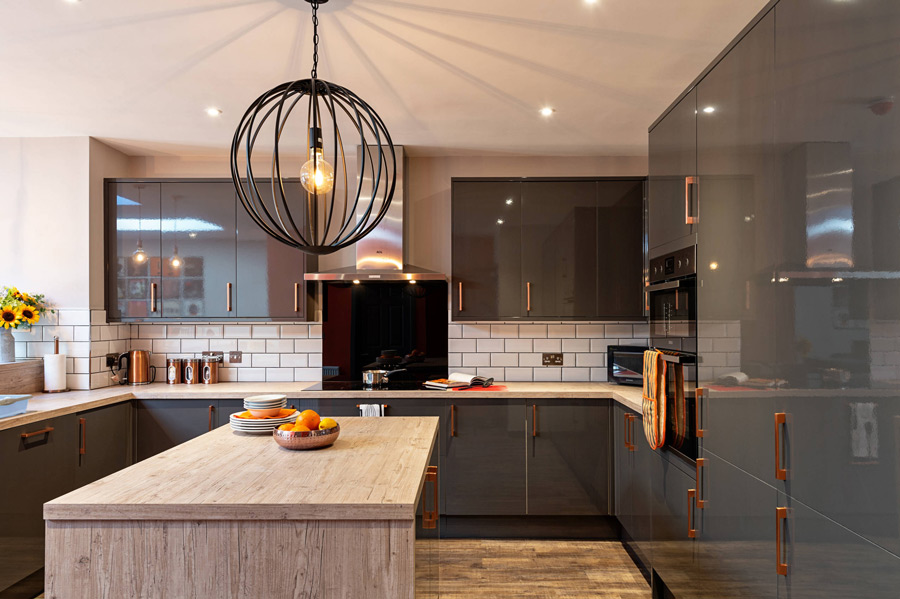
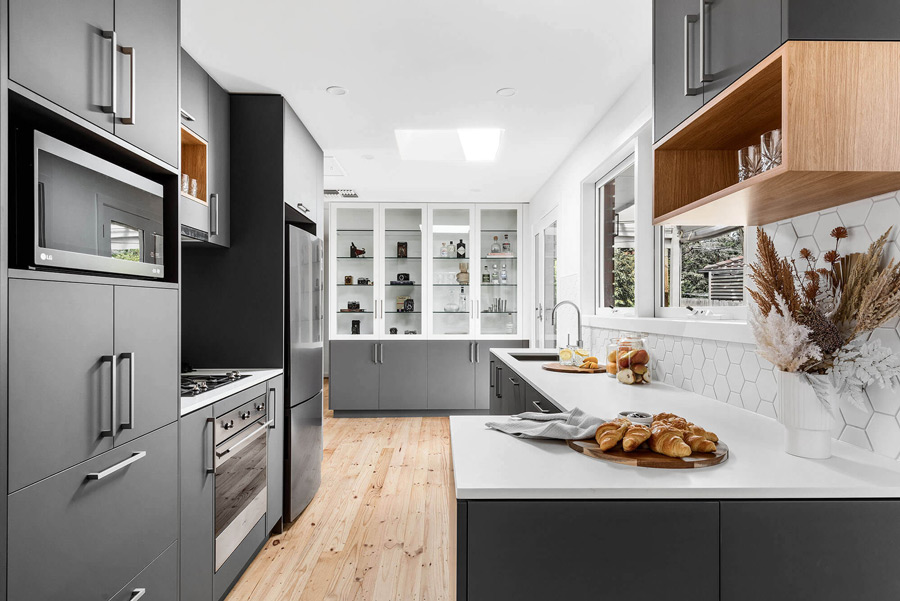
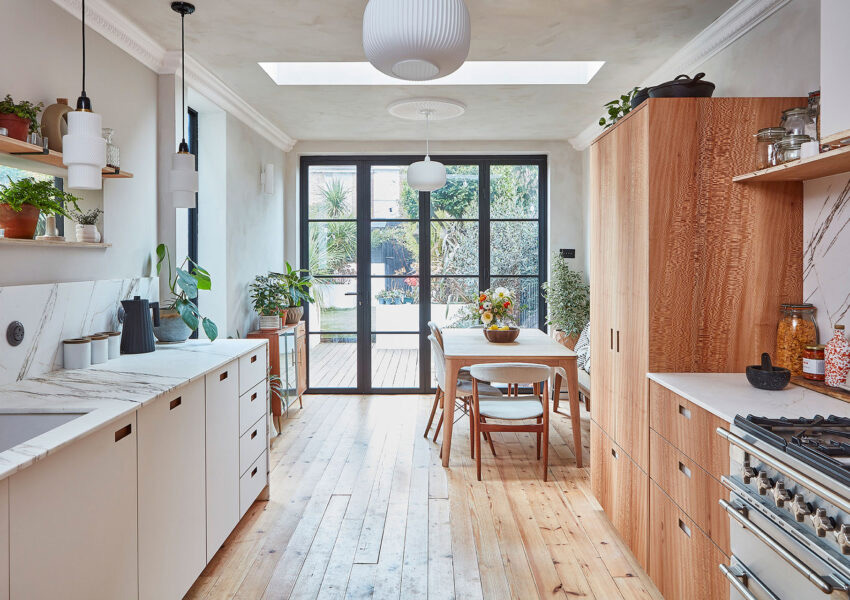
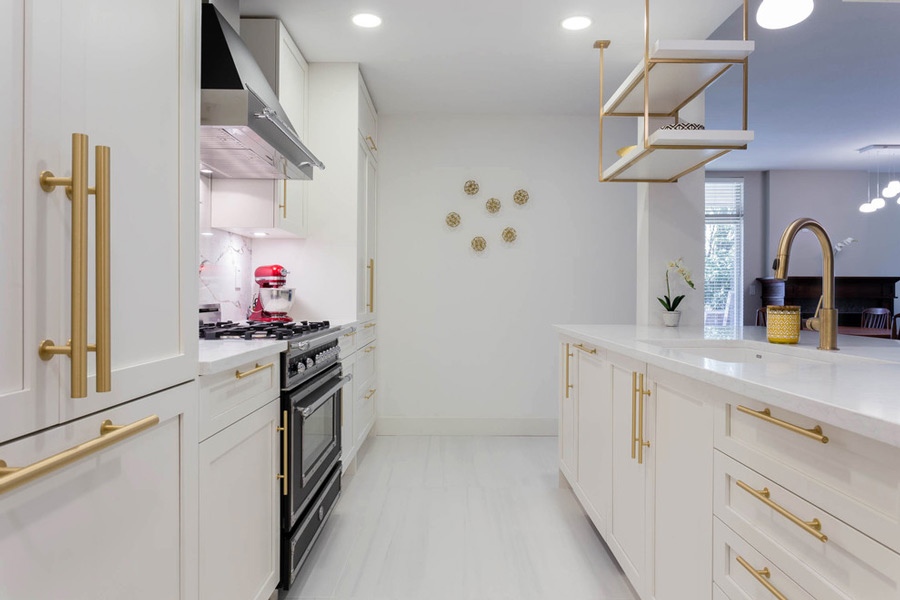
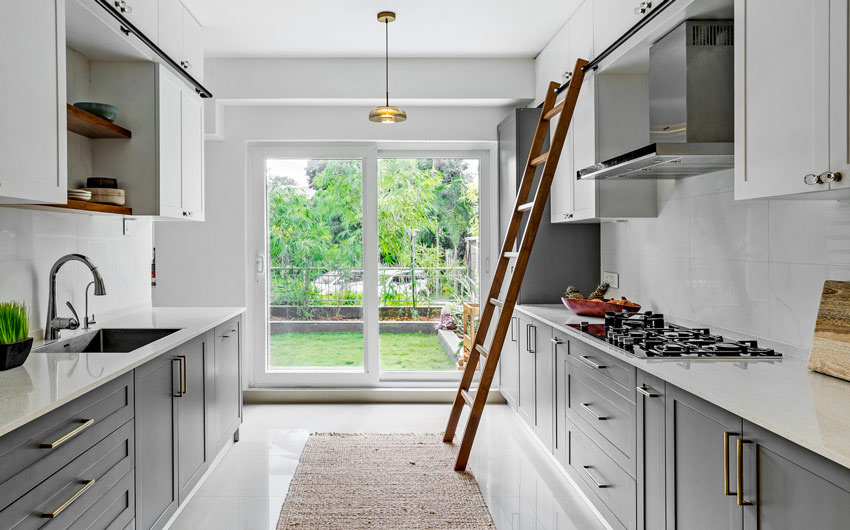
- Open-concept galley kitchens: Many older condo kitchens were closed off from the living area. Opening the layout, where the structure allows, brings in Gulf views and natural light.
- Salt-air-rated hardware and fixtures: Standard chrome and basic metal finishes corrode faster near the coast, so upgraded, corrosion-resistant hardware pays off long-term.
- Quartz or granite countertops: Both hold up well in humid conditions and give kitchens and bathrooms a clean, modern look without heavy maintenance.
- Frameless glass showers: A popular swap for dated tub-shower combos, especially in primary bathrooms.
- Built-in storage solutions: Condo square footage is limited, so custom cabinetry and multi-purpose furniture help units feel larger without adding square footage.
- Coastal-neutral color palettes: Soft whites, warm sand tones, and light blues remain the most requested schemes, giving spaces a bright, relaxed feel that suits beachfront living.
- Smart, space-conscious layouts: Combining a home office nook or custom desk area into an existing room has become a common request among owners who split time between full-time living and seasonal use.
Step 1: Confirm Association Rules Before You Design Anything
Before choosing a tile sample, review your association’s renovation guidelines. Some boards restrict flooring types for noise reasons, require specific work hours, or mandate that contractors carry a certificate of insurance naming the association as an additional insured. Skipping this step is one of the most common reasons projects stall halfway through.
Step 2: Understand How Flood Rules Might Affect Your Budget
Because many buildings along St Pete Beach were constructed before current flood-elevation standards, it is worth asking your contractor early whether your planned scope could trigger the FEMA 50 percent threshold. A simple interior refresh usually stays well under that line, but combining kitchen, bathroom, and structural changes in one project can push costs closer to that limit. Scoping this out before committing to a full plan avoids mid-project surprises.
Step 3: Choose a Contractor With Condo-Specific Experience
Not every remodeling company understands the added layers that come with condo work. When comparing contractors for a St Pete Beach condo renovation, look for a few specific qualities:
- Experience navigating HOA approval processes, not just city permitting.
- A track record with older Gulf-front buildings, including units in low-rise and mid-rise structures.
- Clear, itemized quotes that account for potential flood-code implications.
- A single project manager who coordinates design, scheduling, and communication with the association on your behalf.
This kind of experience often separates a smooth renovation from one that runs into avoidable delays.
Step 4: Plan the Renovation Timeline Realistically
A typical condo remodel in St Pete Beach moves through the following stages:
- Initial consultation and measurement, where a designer reviews your goals and the building’s constraints.
- Design and rendering, giving you a visual plan before demolition starts.
- Association and permit approval, which can take longer than a standalone home project.
- Demolition and plumbing work, done carefully given shared walls and stacks.
- Installation of cabinetry, tile, and fixtures, followed by final finishes.
- Final walkthrough, confirming everything meets both your expectations and the building’s requirements.
Building extra time into your schedule for approval steps helps set realistic expectations from day one.
A Few More Ideas Worth Considering
Beyond the most common upgrades, some owners are exploring less obvious improvements that still make a noticeable difference:
- Replacing sliding glass doors with impact-rated versions that improve both insulation and storm protection.
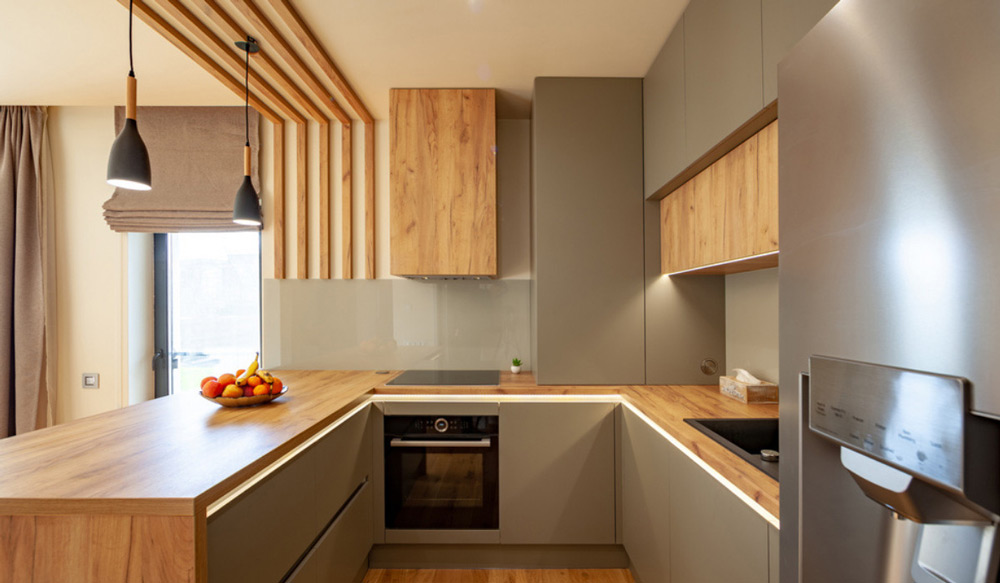
- Adding under-cabinet lighting in kitchens to brighten workspaces without altering the ceiling.
- Install moisture-resistant flooring throughout, rather than just in bathrooms, given the humidity levels common to coastal units.
These smaller touches often round out a condo renovation in St Pete Beach without adding high cost or complexity to the overall project.
The Bottom Line
Renovating a condo along the coast takes more coordination than a typical home remodel, but the result is worth the extra planning. Between association approvals, flood-code considerations, and the realities of working within a shared building, a condo renovation in St Pete Beach benefits enormously from a contractor who has handled these exact challenges before.
If you are ready to start planning your own project, Evergreen Development brings hands-on experience with condo remodels. Reach out for a free design consultation.
Frequently Asked Questions
- Do I need HOA approval before starting a condo renovation?
In most buildings along St Pete Beach, yes. Associations typically require plans, contractor insurance documentation, and sometimes specific material restrictions before work can begin, so this step should happen before permits are filed. - What is the FEMA 50 percent rule, and how does it affect my project?
If renovation costs reach half the value of the existing structure, the project can be classified as a substantial improvement, which may require the unit to meet current flood-elevation standards. This applies most often to older Gulf-front buildings. - How long does a typical condo remodel take?
Most projects take longer than a comparable house renovation because of association approval timelines. Depending on scope, a full remodel can range from several weeks to a few months once approvals and permitting are factored in. - What are the best condo remodeling ideas for coastal units specifically?
Moisture-resistant flooring, quartz or granite countertops, and corrosion-resistant hardware tend to perform best given the humidity and salt air common to beachfront units. Open-concept kitchens and frameless glass showers are also popular choices for making a smaller footprint feel more modern. - Can I combine a kitchen and bathroom remodel into one project?
Yes, and many owners do exactly that to minimize disruption. It is worth discussing the combined scope with your contractor early, since larger projects are more likely to approach flood-code thresholds that require additional planning.